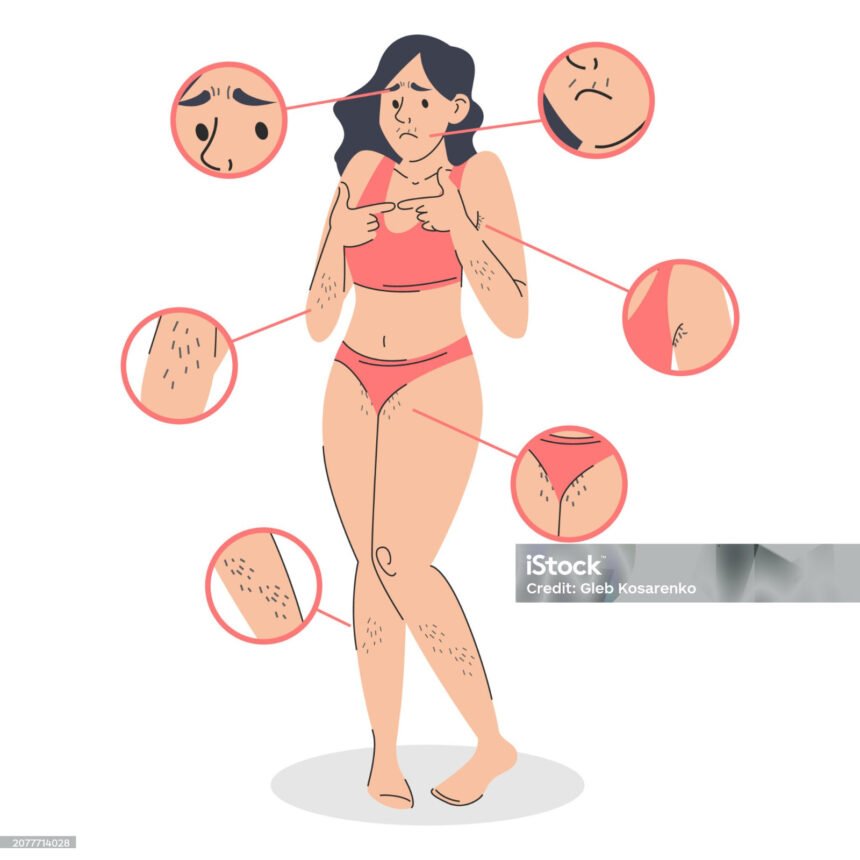
Hair. So surprised to find it growing
On her armpits, her legs, her chest,
Her arms, her face, her breasts.
You find it distasteful, ugly, unnatural.
I wish we learned to embrace it From when we were so little,
It is not vile, not disgusting, not shameful.
Not too early for a child to learn,
Never too early for a child to embrace,
Their own bodies their own selfs.
Yet We’re here,
Berating each other, shaming each other, wishing for
Change in the way we look but never in the way we
Think.
I wish we learned….
To embrace this part of who we are,
And to learn to let go of rejection.
The poem addresses a crucial and common objectification of women’s bodies and how they are policed. The simplicity in the poem is what gives it power in its attempts to have a conversation, it is clear and honest. It attempts to negotiate a reclamation of the body in which people police each other.
At first, the poem talks about hair growing on the body as something a girl is surprised to find. It addresses a crucial point in a girl’s life when they realize that hair grows on their bodies, hair when noticed by others is degraded or shamed.
The second verse speaks accusingly, using “you”. How the hair noticed on a girl’s body is seen as “distasteful, ugly, unnatural”. The poem/poet then wishes for this natural body hair to be embraced, especially when it comes to a child. To teach children to accept their bodies as they naturally are, the poem earnestly pleads that it is not too early for children to learn and embrace.
In the third verse, the poem talks about the harm done by people, to each other when it comes to how they look. Pointing out the dysmorphia that occurs when people shame each other based on how they look, coerced into changing how they look, and ends the verse with how people submit to this coercive force in how they look but not in how they think.
The poem ends with yearning to let go of rejection, how people police each other’s looks, an objectification of a person’s body and the goal of reaching a uniform beauty standard. At the core of this poem is a reclamation of the aesthetics of the body and an acknowledgement of the harm that happens to the soul when this violence takes place.