i do not care about which side red or blue
or who has veto powers of earthly damnation
if i am shielded from the scorch of the sun
and if i have daily bread on my table
i am not into politics
the dirt in my water is simply the plumber’s fault
the plumber too has no clean water of his own
that is the course of nature
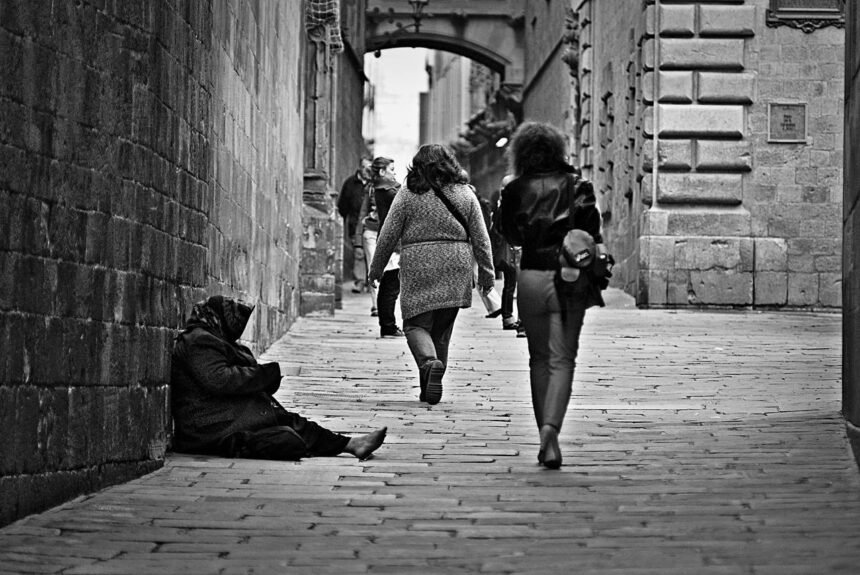
i can do nothing about poverty
i am not into politics
when fresh air becomes scarce
and carrots become a quiet sign of luxury
abc’s become a privilege
i will call it the fulfillment of prophecy
because i am not into
politics
The poet is Vanlalnunhlui Sailo(Tsunhlu), currently studying BA English at St Anthony’s College, Shillong.
The poem speaks in a rhetorical way, pointing out the irony of not caring about politics. In the first verse, the poem chooses colors red or blue, grounding the poem in the familiar dichotomy of American politics and its intrusiveness, further digging into international politics by referencing ‘veto powers’ – a term that evokes the UN Security Council – and powerfully linking that concept to the ability to condemn the world (‘of earthly damnation’). The climax of every verse is the addressing of political apathy, after talking about politics internationally, being shielded from the sun and having food on the table are but the immediate needs of the person they speak in first person of.
The second verse gives an allegory of dirty water being the plumber’s fault, while at the same time pointing out that the plumber themself does not have clean water. It points out the systemic failure that both of them suffer from but then surrenders itself by comforting themself in a truism, that it is the course of nature, and submitting the ironic phrase “I am not into politics” to console themselves.
The poem clearly links resource scarcity and exploitation to their stark results: clean air becomes rare, basic food like carrots becomes a luxury, and education (‘abc’s’) becomes a privilege.. And then the truism again, “I will call it a fulfilment of prophecy/ because i am not into/ politics”. By calling systemic failures as prophecy fulfilment, the poem signifies the submission of personal powers and how these positions are harmful to our collective wellbeing and deteriorate solidarity.
The poem speaks on several layers, first as a first person point of view of those practising political apathy, and then addresses the irony of being politically apathetic by talking about the consequences of actions/inaction.
The poem is a psychological portrait of the apolitical mindset and a prompt warning of its consequences. It clearly showed how being “not into politics” is not simply a statement but a profound political stance where one submits to comfortable truisms and concedes to the powers that be and accepts powerlessness as a way of life. It is a call to wake others up of their apathy and finally be awake/woke together.