My voice may sound a bit strange
seem to be singing off-key
as I go for minor modes,
not being majoritarian
My tribe you dub “subaltern” –
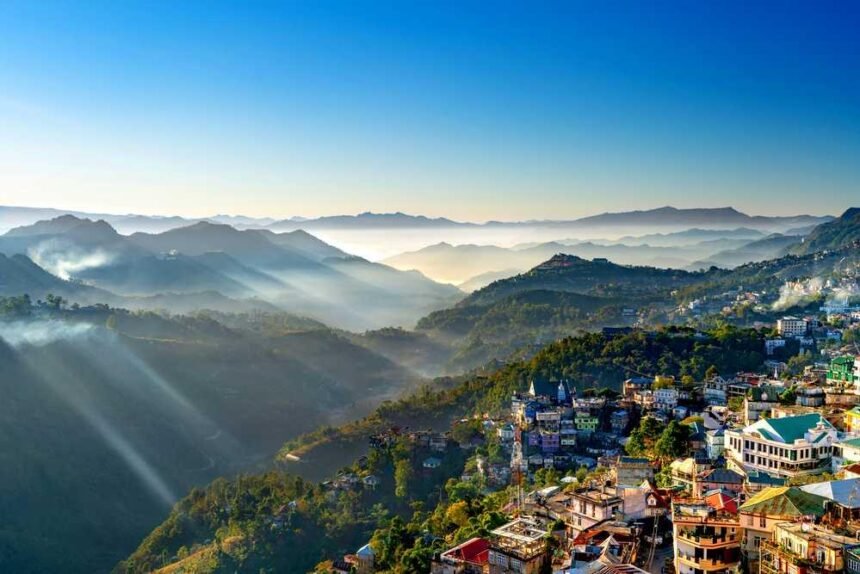
we call ourselves highlanders –
live on sharp rugged hills
Our voice buried many years
is now beginning to rise
We’re rich in tales and legends
stored in our collective-conscious
but have little written history
since the only manuscript we had
on leather scroll, was kept unguarded
and stolen away.
Nevertheless, we are part of
universal brotherhood;
the sky and earth are ours
as well as yours.
The poem is a critical introspection on identity, beautifully using the tunes – off-key and minor, to the negation of the majoritarian. This can be a play on how off-key and strange their tunes and melodies are compared to colonial rigid solfa and melodies, positioning the poet and the poem into a confrontation with the majoritarian coercion and violence.
This goes deeper with the second verse, calling out the use of “subaltern” while they call themselves “highlanders”. This is a reference to the term “subaltern” often spoken of by academics and intellectuals, coined by Gramsci who used the word to define “the natives” in an imperial colony. The poet intentionally uses how they have been dubbed “subaltern” and mentions just after how they themselves know themselves as “Highlanders”, this resists the submission towards being a minority.
The poem is an experience, a declaration of the tides rising. The second verse takes us to understand how oral cultures have rich tales and worldbuilding, and yet little is written about them, mentioning the tragedy(?) of losing the only script they had in their tales – how a dog stole the only written leather scroll away. This verse champions orality, the diverse and changing narratives that are woven by storytellers and songwriters, and the common man. How rich the culture is without the reinforcement of written texts.
The poem intentionally uses “My”, “I” and “We”, where the personal and collective become one, and there is no way to find out if there is a difference. The ending reconciles the “You” and “They” mentioned, proclaiming a universal brotherhood, perhaps of an internationalist solidarity with all humans and the right to nature. The climactic ending resists narrow nationalisms and nation-state politics and fights against things that can hamper solidarity – proclaiming that nature belongs to all of the people.