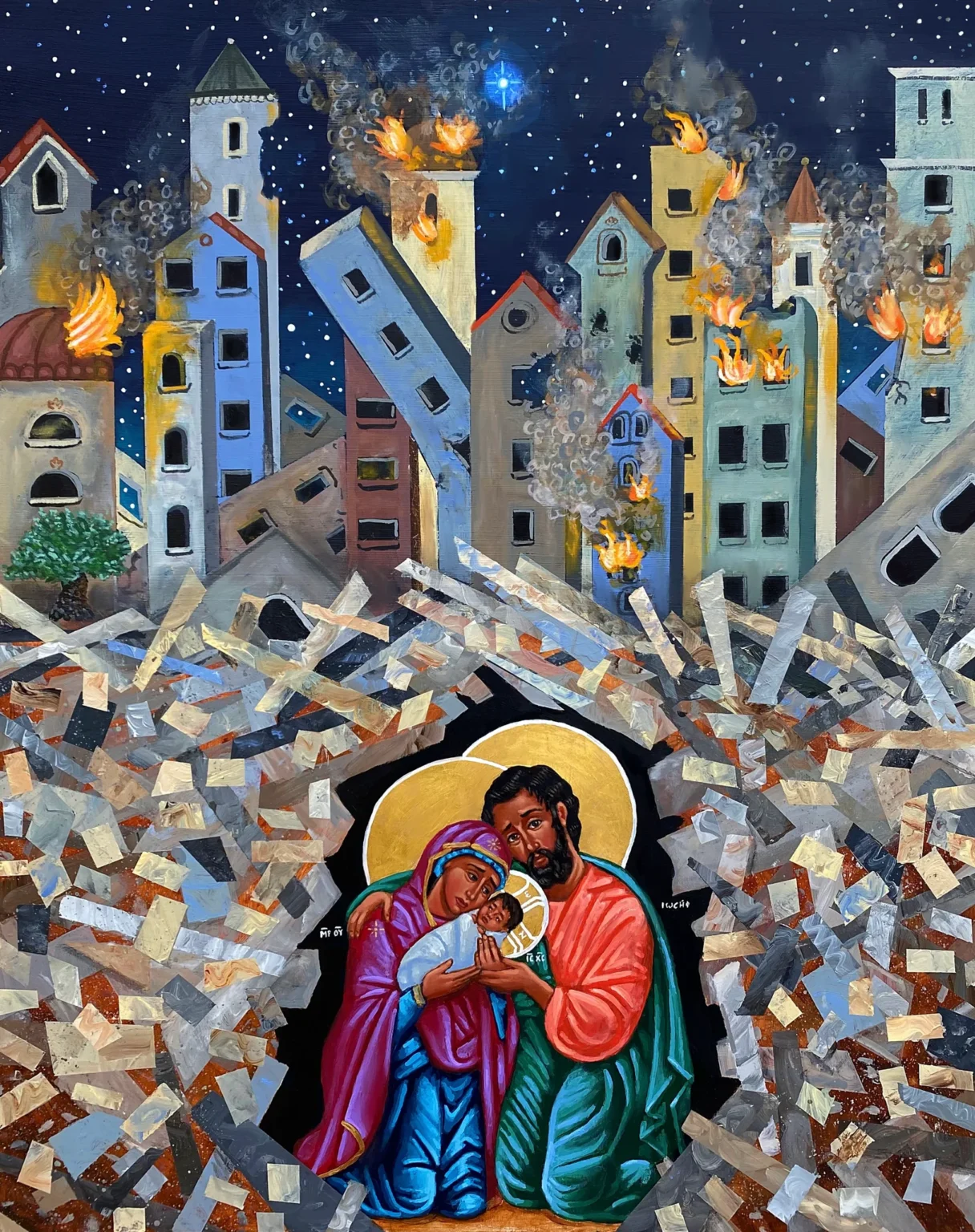
He rules righteously ever so,
In His righteous rule, sly “bribery” has no place.
He sees the rich and poor all the same;
In His eyes, everyone is likewise;
He does not favor, nor deny anyone of care.
If my God then, witnesses oppression, what do you think he would do?
To the downtrodden, hearing their pleas, will He not say “I have heard your calls”?
To the innocent cries of woman and children, suffering from the hands of religion, I do not believe he will watch them like a dog petrified by a raging flood.
Poising the whip of justice, he will surely raze their chains to the ground,
He who listens to the agonies of the Egypt slaves, (Slaves of Egypt)
He will listen too to the people of Palestine without fail.
And won’t he shun those voices who used his name in vain?
Will he be thrilled and excited just like them?
He shall not, he shall say “prepare to meet your God” to remind them again.
While those with power and might, abuse those below them,
Dragging and treading over them,
I don’t believe my God would turn a blind eye from his throne.
He would rise from his throne, raise his rod of justice to save the prosecuted and bring forth judgement unto them.
And won’t he speak to those regarded to be refused and thrown?
For he is the one who speaks to the Samaritan Woman,
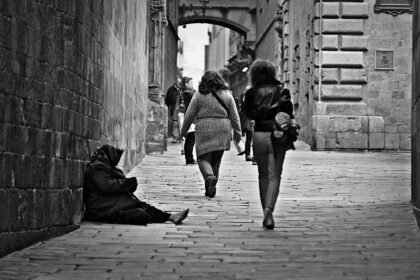
To fend for the beggars, the Lord Almighty is ever prepared,
For the widow, his coffers are open and generous,
And to break their chains of persecution,
His firm hand grips the sword of justice, ever ready to be unsheathed.
The poem is an honest and genuine reclamation of a God whose name is used by zealots of war, oppression and suffering in today’s world. The first verse identifies God as a righteous ruler, having no place for “sly ‘bribery’”, how there is equal treatment in His eyes, not favoring anyone while not denying anyone of care.
In the second verse the poem asks rhetorical questions asking the reader what would his God do when He witnesses oppression, answering immediately with another question “hearing their pleas, will He not say ‘I have heard your calls’?”. Referencing Exodus 3:7, where God – “observed the misery”, “I have heard their cry”, “Indeed, I know their sufferings” and continues with God’s swift and decisive reaction to the suffering. The poet stakes his claim by mentioning “cries of woman and children, suffering from the hands of religion” and proclaiming that he does not believe God will watch like a ‘dog petrified by a raging flood’(a Mizo idiom “ui tuilian thlir” which means how it is translated in English, a dog watching a flood, used to imply petrification/inaction because of the incapacity to do anything)
The third verse turns the heat up even more, mentioning God’s poising of the ‘whip of justice’ and how He will raze the chains of the oppressed, suffering and downtrodden. Mentioning how God listened to the “agonies of the slaves of Egypt”, the poem stands bravely with the next verse on how God will be listening to the “people of Palestine without fail.” In the next two lines the poem asks two rhetorical questions, one asking how God will be shunning the voices who use His name in vain, and two, asking if He will be thrilled and excited just like them(those who use His name in vain). The punchline of the premises, set-uped, the poem answers, quoting a verse from Amos 4:12 prepare to meet your God . In the next line the powerful and mighty are brought up as abusing those below them, then the poem hammers down, repeating how the poet/poem doesn’t believe his God “would turn a blind eye”.
The fourth verse invokes an immediacy, a coming salvation, how the poem/poet’s God will move, “rod of justice” invokes a violent rescue of the persecuted. Giving His attention to the voice of those “regarded to be refused and thrown”, following it with how Jesus spoke to the Samaritan Woman. In its context, Jews do not associate with Samaritans, or use Samaritan used dishes. Emphasizing how Jesus broke through all barriers, to the lowest and unfortunate considered in ‘proper society’. The poem/poet’s God is talked of in His preparedness and generousness, “to break their chains of persecution”. Ending the poem with God gripping His “sword of justice”, “ever ready to be unsheathed”.