By using this site, you agree to the Privacy Policy and Terms of Use.
Accept
Sign In
KhawnvarKhawnvarKhawnvar
Notification
Font ResizerAa
  • Home
  • News & Analysis
  • Politics
  • Economy
  • Law
  • Science & Tech
    • Environment
  • Society & Culture
    • Philosophy
    • Theology
    • Rights
    • Books
    • Literature
  • Podcast
  • English
Font ResizerAa
KhawnvarKhawnvar
  • News & Analysis
  • Politics
  • Economy
  • Law
  • Science & Tech
  • Society & Culture
  • Podcast
  • English
Search
  • Categories
    • News & Analysis
    • Politics
    • Economy
    • Law
    • Science & Tech
    • Society & Culture
    • Podcast
    • English
  • Pages
    • Contact Us
    • About us
Have an existing account? Sign In
Follow US
Chawnga's Poem of The WeekLiterature

Poem of the Week: The Feminine Hair by Emily Lalsiamkimi

Reclaiming the body, redefining beauty - learning to embrace what was never wrong.

Chawnga
22/03/2026
Share
1 Min Read
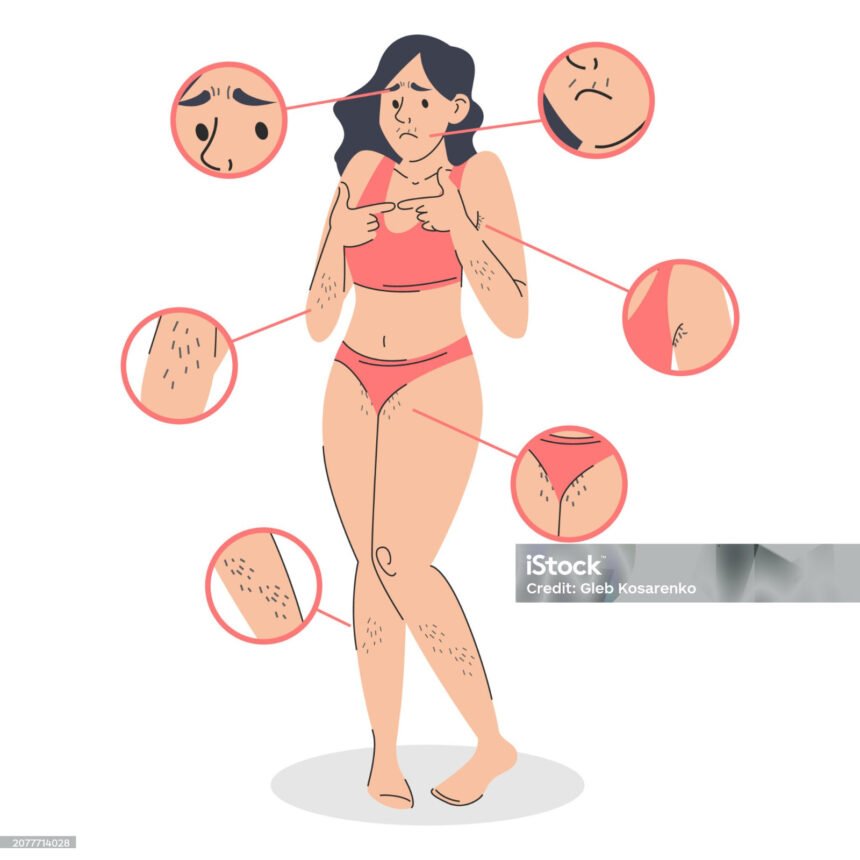
Image credit - Gleb Kosarenko (iStock)
SHARE

Hair. So surprised to find it growing
On her armpits, her legs, her chest,
Her arms, her face, her breasts.

You find it distasteful, ugly, unnatural.
I wish we learned to embrace it From when we were so little,
It is not vile, not disgusting, not shameful.
Not too early for a child to learn,
Never too early for a child to embrace,
Their own bodies their own selfs.

Yet We’re here,
Berating each other, shaming each other, wishing for
Change in the way we look but never in the way we
Think.

I wish we learned….
To embrace this part of who we are,
And to learn to let go of rejection.

The poem addresses a crucial and common objectification of women’s bodies and how they are policed. The simplicity in the poem is what gives it power in its attempts to have a conversation, it is clear and honest. It attempts to negotiate a reclamation of the body in which people police each other.

At first, the poem talks about hair growing on the body as something a girl is surprised to find. It addresses a crucial point in a girl’s life when they realize that hair grows on their bodies, hair when noticed by others is degraded or shamed.

The second verse speaks accusingly, using “you”. How the hair noticed on a girl’s body is seen as “distasteful, ugly, unnatural”. The poem/poet then wishes for this natural body hair to be embraced, especially when it comes to a child. To teach children to accept their bodies as they naturally are, the poem earnestly pleads that it is not too early for children to learn and embrace.

In the third verse, the poem talks about the harm done by people, to each other when it comes to how they look. Pointing out the dysmorphia that occurs when people shame each other based on how they look, coerced into changing how they look, and ends the verse with how people submit to this coercive force in how they look but not in how they think.

The poem ends with yearning to let go of rejection, how people police each other’s looks, an objectification of a person’s body and the goal of reaching a uniform beauty standard. At the core of this poem is a reclamation of the aesthetics of the body and an acknowledgement of the harm that happens to the soul when this violence takes place.

TAGGED:authenticitybeauty standardsbody autonomybody imagebody positivitybreaking stereotypesChawnga's Poem of The Weekcultural normsempowermentfeminismgender normshuman bodyIdentitymental healthnatural beautypersonal freedomself acceptanceself awarenessself lovesocial conditioningwomen empowerment

Join Our Newsletter

Stay in the loop! Get the latest news delivered straight to your inbox.
Share This Article
Facebook Whatsapp Whatsapp Copy Link
ByChawnga
Chawngthanmawia is a writer who has a writing history of more than a decade, writing hundreds of poems in their blog, to winning the 2nd Prizes of both the MIELS poetry and short-story writing competitions and other several local competitions. He has been organizing writing communities and have been the Vice President of the Government Aizawl College Literature Club, the President of the Inter-College Literature club and is now currently an Advisor to the Zo Youth Writers' Club. Having multiple editorial experiences as well publishing magazines and newspapers. You can find his poetry blog here: www.chawnga.wordpress.com
Previous Article Christ in the Rubble Digital Image Poem of the Week: My God Is by Joseph Kimkima Fanchun (Translated by Opa)

Let's Connect

FacebookLike
XFollow
InstagramFollow
YoutubeSubscribe

Popular Posts

The Great Warriors

Lest We Forget – Reflections on Identity, History, and the Land

Bazik Thlana
3 Min Read
INTERNET, THALAITE LEH MIZO TAWNG

INTERNET, THALAITE LEH MIZO TAWNG

Duss Fanai
3 Min Read
Free Speech: Duhzawng sawi thei turin zalenna i nei em le?

Free Speech: Duhzawng sawi thei turin zalenna i nei em le?

Khawnvar.in Team
9 Min Read

Enge Enna Varpawhna? Tih Zawhna Chhanna (Beantwortung der Frage: Was ist Aufklärung?) – Immanuel Kant

Brendon Lalramnghaka Khiangte
9 Min Read

You Might Also Like

Society & Culture

Hmeichhiate leh Indona: Hmeichhe taksa hi tu ta nge?

2 Min Read
Literature

POETRY LEH LIBERATION

3 Min Read
Untitled by Lalnunsanga Ralte (poormanspoet)
Chawnga's Poem of The Week

Poem of The Week : Untitled by Lalnunsanga Ralte (poormanspoet)

1 Min Read
Christ in the Rubble Digital Image
Chawnga's Poem of The Week

Poem of the Week: My God Is by Joseph Kimkima Fanchun (Translated by Opa)

1 Min Read
  • About us
  • Contact Us
©2026 All rights reserved. Khawnvar.in
Welcome to khawnvar.in
Username or Email Address
Password

Lost your password?

Not a member? Sign Up