Love that stops at the borders of tribe, faith, skin-colour is no longer love. It is a mirror reflecting our smallest selves. Selective empathy has always threatened human solidarity, dividing the world into “us” and “them” while giving moral cover to ideologies that elevate one identity above another. When these ideologies wear the robes of religion or morality, they can appear righteous while quietly fracturing the communities they claim to protect.
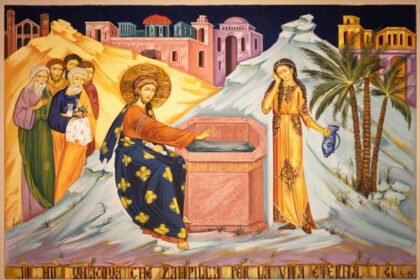
Religion, in its truest form, was never meant to divide. Its highest moral call, to love one’s neighbor as oneself, was meant to expand the circle of compassion, not shrink it. Yet time and again, we see faith used as a tool of exclusion, deciding who is “worthy” of care based on religion, ethnicity, skin-colour, or politics. Religious hypocrisy begins precisely there: when belief becomes a badge of identity rather than a call to live the ethic of love and justice it proclaims.
This paradox is not limited to any one faith. History is full of examples where religion, meant to heal and unify, was turned into a sword of division. Wars have been fought in the name of God, and people have been shamed, banished, or killed for failing to conform to a particular version of faith. The tragedy lies in how easily a message of compassion can be twisted into an excuse for control. Faith that once inspired courage and sacrifice can be hollowed out and turned into performance, a public display of loyalty hiding an empty core.
Identity itself—including skin and colour, is not the enemy. Pride in who we are—in culture, tribe, heritage, or appearance can be a source of strength and dignity. It gives us language, belonging, and purpose. But identity is double-edged. When pride becomes a wall that isolates or a competition that elevates one group at the expense of another, it stops being empowering and becomes destructive. This is the paradox of identity politics worldwide: movements that begin as a fight for dignity can harden into narrowness, forgetting the very vision of freedom that inspired them.
We see this not just in religion but in politics, in race, and in nationhood. Communities that fight oppression may one day find themselves oppressing another if they cannot resist the temptation to close their circle of empathy. If we only stand for justice when it is convenient, if we only grieve victims who share our faith, tribe, skin-colour, then our moral stance mirrors the injustice we claim to oppose.
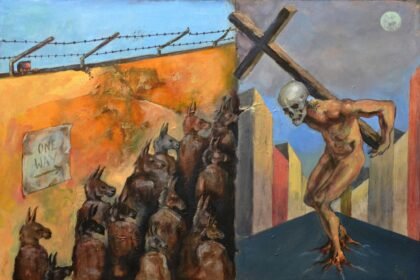
Sometimes, this selective empathy appears most starkly in the mourning of leaders who speak often of God yet whose actions condone the suffering of innocents far away. Faith becomes a curtain behind which cruelty hides. Entire communities may justify the destruction of villages or the silencing of voices because it aligns with a sacred story or historical narrative. This is the darkest edge of religious hypocrisy: compassion halts at the border of one’s own faith, tribe, skin, or colour. True love cannot work this way. True love crosses boundaries, even dangerous ones, and stands beside the innocent no matter which side of the wall they were born on.
As the Black Eyed Peas wrote, “If you only got love for your own race…” (Where Is the Love?, 2003), selective empathy turns love into a weapon of division. These words highlight the moral danger of caring only for those who share your faith, tribe, skin, or colour. Genuine love cannot favor some over others based on outward appearance, tone of skin, or social construct of colour without betraying its own essence.
Selective empathy is not only a moral shortcoming; it is also a political weakness. Communities that only love their own kind grow fragile. Their vision narrows, their ability to work with others declines, and they become easy prey for forces that seek to dominate, assimilate, or erase them. A society that cannot grieve the suffering of others soon loses the ability to imagine its own future. The refusal to care across boundaries creates a brittle, fearful culture that reacts to every difference as a threat.
The world offers many examples of how selective empathy fuels cycles of violence. In divided societies, propaganda often plays on ethnic pride, skin, colour, or fear until neighbors turn against neighbors. Once the line is drawn between “us” and “them,” it becomes easier to justify cruelty and easier to turn away when injustice falls on the other side. This thinking can escalate until entire communities are uprooted or destroyed, not because of some grand clash of civilizations, but because of the quiet decision to stop caring for those outside one’s circle.
Metaphorically, entire regions become theaters of this moral failure. Communities live under the shadow of walls that separate not just land but compassion itself. Leaders may speak often of sacred traditions yet allow or even encourage the suffering of innocents far away, justifying violence because it aligns with their moral narrative. This is the world the lyric warned us about: where love is conditional, selective, and confined to one’s own.
This is why unity cannot remain a slogan. If our vision of solidarity is built only on tribal pride, skin, colour, or ego, it will collapse under its own weight. The shared future we might have built together will be lost, not because of some external enemy, but because we failed to rise above ourselves. The slow death of empathy is the beginning of a society’s collapse.
Religious hypocrisy is not measured by how loudly one prays or how perfectly one performs rituals, but by whether faith produces the fruit of love, not only for one’s own community but for those outside it. When religion becomes a justification for exclusion, it loses moral power. When it calls us to embrace the stranger, the outsider, and even the rival, it becomes one of the strongest forces for reconciliation we have.
True courage lies not in defending only those who look like us, pray like us, or speak our language, but in standing up for those who do not. That courage is costly. It may be misunderstood, criticized, or punished. But it is the only way to break the endless cycle of division.
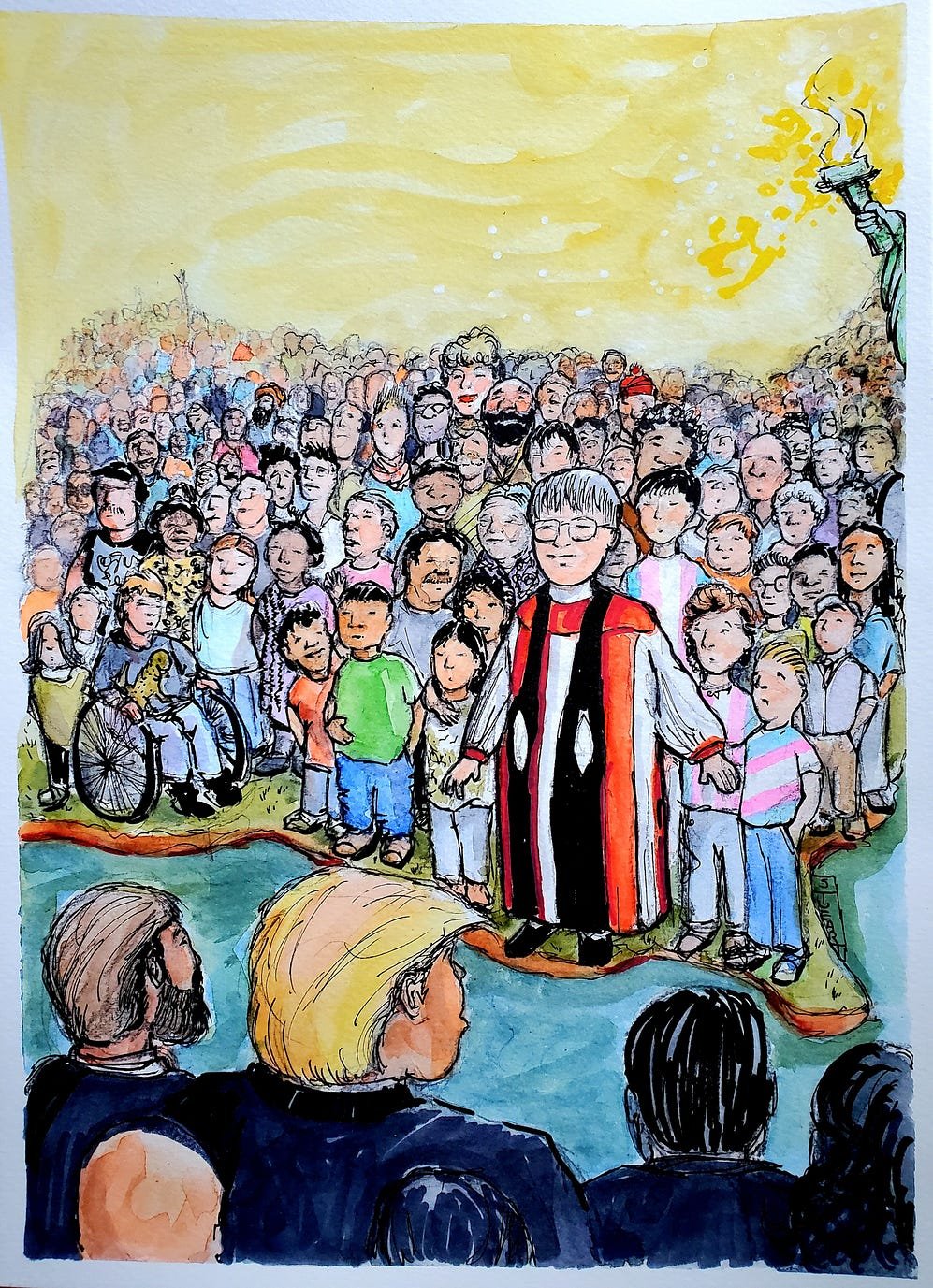
The way forward is not to erase identity but to purify it of arrogance. Love for one’s people, faith, tribe, and skin-colour should make us more open-hearted, not more narrow. True empathy is an act of resistance, a refusal to play the game of “us” versus “them.” It is a conscious choice to put humanity before ideology, politics, or the endless sorting of insiders and outsiders.
To love one’s neighbor is not a sentimental ideal but a radical act of resistance against the forces of division. It means loving across boundaries, even when it costs us. It means refusing to let faith become a banner of superiority, choosing instead to let it be the wellspring of compassion. Whether we call this teaching Christian, Buddhist, humanist, or simply humane, its truth remains: we are human first, and our survival depends on acting like it.
We cannot ignore the lesson that empathy is a skill as much as a virtue. It requires attention, effort, and moral imagination. It asks us to step into the shoes of the person we might otherwise dismiss, to see the human story behind a different faith, tribe, skin colour, or culture. In cultivating this radical empathy, we fortify not only others but ourselves, building a society capable of withstanding division and cruelty alike.
Ultimately, the measure of faith, morality, and culture is not in slogans, rituals, or sacred texts alone, but in how fully it trains us to love without boundaries. When our hearts expand beyond convenience and familiarity, when our care crosses lines of faith, tribe, and skin-colour, we reclaim the radical promise of our shared humanity.