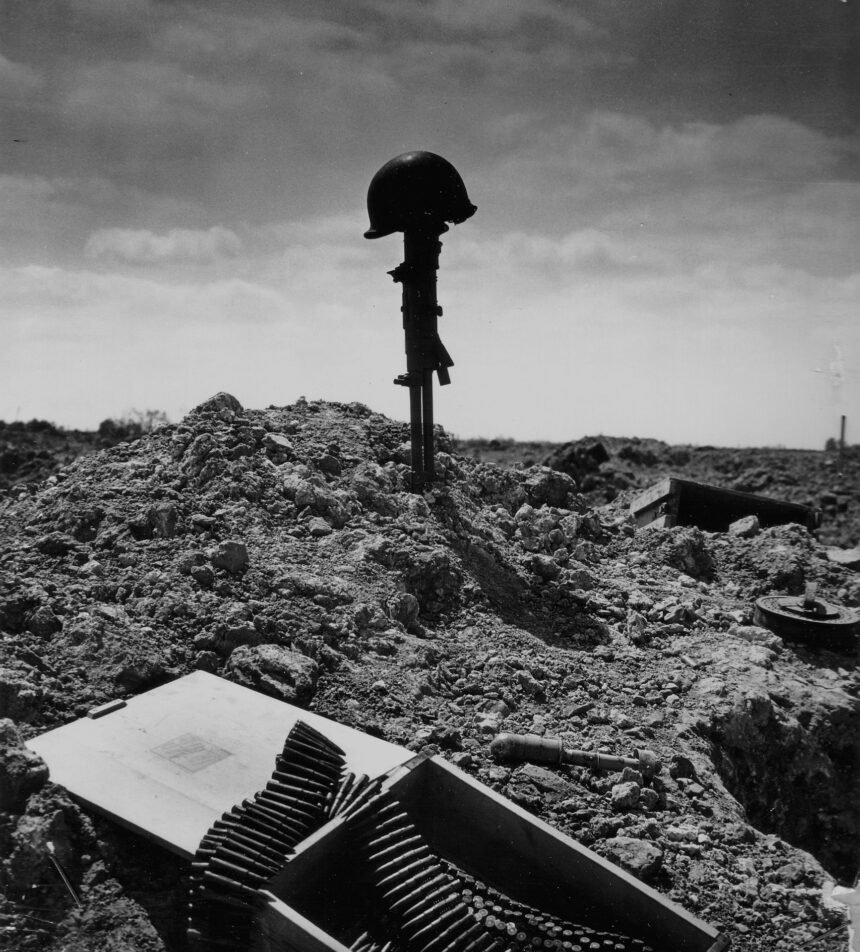
When you go to war, remember,
that you possess no harm for bullets to magically evade you,
Or that yours are guided by some mystical force to always hit the enemy,
That you could well be the villain
though you went to be the hero.
That there are no grand background scores to accompany your charge,
Only firing and explosions and screams echoing in the barren fields.
That there are no goddesses waiting to bask in your glorious return
Except maybe normal women perhaps,
Normal like your mother, sister or wife
But they do not count, for they would have you alive than honoured.
Your greatest feat will not be victory or medals
Just that you have survived, learned to duck and run when you needed to.
And when you have outlived your brothers and comrades,
Having learned no better what it is to be a man,
You will ponder over lost limbs, companions, time, sleep and conscience
and realise that your leaders are still fat
While you and those you thought you fought for are still thin.
This poem without a title is by Lalnunsanga Ralte aka Poormanspoet on instagram and elsewhere. He is a celebrated poet in the literary hub especially among the Mizo poets, but has also been recognized internationally. He has not released a book yet and would likely never will as he has often stated. Despite often saying it, it would be wrong to say his books aren’t widely anticipated.
This poem is a personal conversation and advice written to address the reader who is potentially a soldier or those who have loved ones who are soldiers. Telling them of the reality of war and juxtaposing that with the differences of war reality – how bullets being shot at the soldier will not magically evade them while their bullets themselves will not be guided to hit the enemy.
Pointing out how they could be the villains even though they would’ve expected to be heroes. The poem acknowledges how in wars, soldiers are glorified as heroes while on the other side they may be the villains and vice versa. The poet contrasts how the battlefield is only gunfire and explosions rather than the movie-esque depictions of war- with music and grandiose storytelling.
The poem delivers a crucial point, how mothers, sisters or wives would rather have their sons, brothers and husbands alive than honored. This is a precise rejection of the medals and glory used to justify ‘sacrificing’ for one’s country. Their love is a personal one, while the mythic story of war says “they do not count”, this showcases how war coopts or dismisses genuine human bonds.
The poem ends with how the soldiers gain nothing even though they have sacrificed themselves, lost their brothers and comrades,. Stating the dry and uncomfortable truth of how vainglory war actually is. Ending with a rumination of soldiers pondering over lost limbs, companions, time, sleep and conscience, only to realize that the leaders who sent them to war are still fat and the soldiers and those that they thought they fought for are still thin. Using graphic language, the poem helps us in the disillusionment of war and how war is portrayed by the State for its own purposes, at the detriment of the soldiers and people all around. It resonates universally and timelessly in a world of perpetual war, with no end in sight, the poem is an important activism that may help disillusion people out of war and resist the truism that States dictate on how necessary wars are.